Table of Contents
What is Bear Crawl Exercise
The bear crawl exercise is a simple yet incredibly effective full-body exercise that focuses on mobility, core strength, and coordination. It’s a no-cost, bodyweight movement you can perform almost anywhere—all you need is an empty room or open ground. While it looks easy, the first time you try it, you’ll quickly realize how hard it works your muscles!
How to Do the Bear Crawl Exercise for Beginners
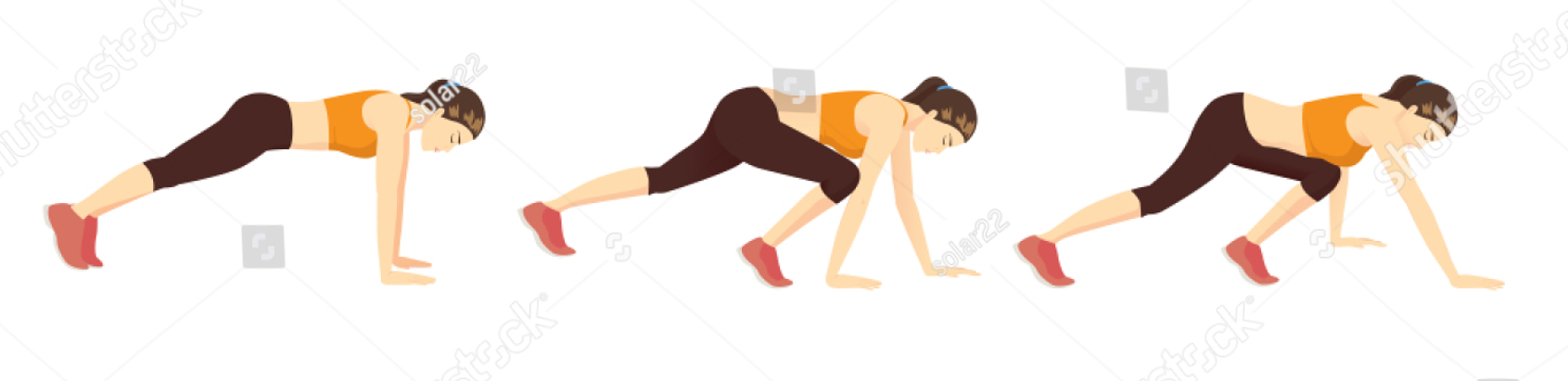
Getting the proper form is crucial for maximizing the benefits and preventing injury. Here is a step-by-step guide on how to do the bear crawl exercise:
- Starting Position: Begin on all fours. Position your hands directly under your shoulders and your knees directly under your hips.
- Engage the Core: Engage your core muscles tightly. This is key to keeping your spine in a neutral position (flat back). Maintain a neutral neck position as well—look slightly down and forward.
- Lift Off: Slowly lift both your knees just an inch or two above the ground. Your weight should be supported by your hands and the balls of your feet. Keep your core engaged to maintain that neutral spine and neck position.
- Forward Movement (Opposite Limbs): Move forward by simultaneously taking a small step with your left hand and your right leg. Keep the movement controlled, and ensure your lifted knee stays close to the ground (aim for a 90 degree angle at the knee).
- Switch Sides: Now, switch the limbs. Move your right hand and your left leg forward. Continue to keep your core engaged throughout the entire movement.
- Repeat: Continue alternating the opposite hand and foot as you move forward. Focus on small, controlled steps rather than long strides.
Bear Crawl Exercise: Muscles Worked
The bear crawl exercise is a phenomenal compound movement that engages multiple muscle groups simultaneously, making it a highly efficient exercise.
| Muscle Group | Primary Role in Bear Crawl |
|---|---|
| Core (Abs, Obliques) | Stabilization of the spine and preventing rotation. |
| Shoulders (Deltoids) | Supporting body weight and forward movement. |
| Chest (Pectorals) | Stabilization and assisting in pushing movement. |
| Back Muscles (Lats, Traps) | Stabilization and overall posture maintenance. |
| Quadriceps | Supporting the lower body and lifting the knees. |
| Hamstrings & Glutes | Propelling the body forward and maintaining hip stability. |
Key Benefits of Bear Crawl Exercise
Incorporating the bear crawl exercise into your routine offers several high-value advantages:
- Builds Full-Body Strength: It develops strength across your core, shoulders, glutes, quads, and hamstrings, leading to overall improved functional fitness.
- Boosts Coordination and Mobility: It helps you become more aware of your body movement, enhancing agility, coordination, and cross-body motor skills.
- Effective Calorie Burn: As a dynamic, full-body exercise, the bear crawl is excellent for burning calories, which supports fat loss and weight management.
- Time-Efficient Agility: If you have limited time, the bear crawl is a quick way to get an effective agility exercise and strength workout combined.
- Functional Fitness: It builds functional strength that translates directly to real-world activities like trekking, climbing, and running.
Bear Crawl Exercise Variations to Level Up Your Workout
You can easily modify your bear crawl to match your current fitness level, making it easier for beginners or increasing the difficulty for experienced users.
Easier Variation for Beginners:
- Modified Bear Crawl Exercise: If you are brand new, start by putting your weight on your knees and hands (instead of lifting the knees completely). Keep your hands under your shoulders and knees under your hips. Move the opposite hand and leg forward while keeping a flat back and engaged core.
Advanced Variations:
- Backward Bear Crawl: Once you perfect moving forward, try going backward. Move forward 10 meters, then immediately crawl backward 10 meters without a break.
- Sideways Bear Crawl: From the standard position, move laterally. Lift your left hand and left leg simultaneously to move a step to the left, then follow with your right hand and right leg. Repeat to move toward the right side.
- Weighted Bear Crawl: Increase the challenge by safely adding extra weight on your back, such as a weighted backpack. Ensure the weight is secure and doesn’t shift.
- Bear Crawl with Pushups: Integrate another compound movement. Move forward 3–4 steps using the bear crawl, hold the position, and perform one push-up. Repeat this sequence as you continue crawling.
- Uneven Bear Crawl: Practice the movement on uneven terrain like a small hill or an open, rough patch of ground to further challenge your stabilizers (wear proper shoes and gloves for safety).
Common Bear Crawl Mistakes and How to Fix Them
To get the most out of this exercise and protect your spine, be mindful of these common form issues:
| Mistake | How to Fix It |
|---|---|
| Sagging Back (Lower back dropping toward the floor) | Engage your core tightly. Imagine pulling your belly button toward your spine to keep your back flat (neutral spine). |
| Hips Too High (Hips peaking upward) | This usually happens when you try to reduce stress on the core. To fix it, keep your hips level and imagine balancing a bowl of water on your lower back—it shouldn’t spill! |
| Excessive Side-to-Side Movement (Waddling) | This often means you’re taking too big of steps. Focus on taking smaller, controlled steps with your hands and feet to minimize lateral motion. |
Please check out other core excercises: